Learn the average building and pest inspection Melbourne cost, what’s included, pricing factors and how to avoid costly property surprises.
Inspections

What does a building inspection cover? Your complete Australian guide for 2026
For any prospective buyer, understanding what a building inspection covers is a critical step in the home buying process. A pre purchase building inspection provides a professional, visual assessment of a property’s condition, helping you identify structural issues, safety hazards, moisture concerns, and visible defects before you commit.
This guide explains what a standard building inspection usually includes, what it doesn’t, and how to use your building inspection report to make informed decisions. Regardless of where you are buying in Australia, knowing the inspection scope could help you avoid costly repairs and unexpected future problems.
Quick answer: What does a building inspection cover?
If you’re asking, “what does a building inspection cover?”, here’s the short version:
A building inspection is a comprehensive visual assessment of both the interior and exterior of a property. It checks structural elements, moisture issues, and safety hazards across all safely accessible areas of the property. A standard building inspection in Australia usually includes the roof space and subfloor (where accessible), exterior walls, drainage, and any exterior decks or patios.
It results in an inspection report that identifies visible major defects, minor defects, potential hazards, and recommendations, so potential buyers can make informed decisions and avoid potential surprises.
A building inspection is visual and non‑invasive, so it does not include areas behind walls, under floors or specialist testing. To assess pest risks, you’ll need a pest inspection or a combined building and pest inspection.
Jump to
- Understanding building inspection scope in Australia
- What is covered in a building inspection
- What is not covered in a building inspection
- Understanding your building inspection report
- When to consider specialist inspections
- How long does a building inspection take?
- What happens on the day
- Maximising value from your building inspection
- Frequently asked questions
Understanding building inspection scope in Australia
A pre purchase building inspection provides a detailed visual assessment of a property that helps a buyer see beyond cosmetic finishes. Conducted by an experienced building inspector, the inspection spans visual structural components, moisture risks, and safety issues. It is documented clearly in a property inspection report, usually with photos, defect classifications, and recommendations (if any).
Expert insight:
“Across all of the homes I’ve inspected, significant defects often hide in plain sight. A methodical visual inspection and carrying out simple tests in problematic areas, guided by the Australian pre-purchase inspection standards gives you an insight of the property’s condition before you commit.”
– Chris, Licensed Building & Pest Inspector, Rapid Building Inspections. 18 years in the industry uncovering significant findings for potential buyers.
What is covered in a building inspection
Structural components & structural elements
Inspectors check visible structural elements including:
- Footings, lintels, beams and load‑bearing elements for structural issues such as movement, corrosion or deflection that may affect structural integrity or structural soundness
- Subfloor (if accessible) framing (bearers, joists, stumps) for damp, or rot, noted visually
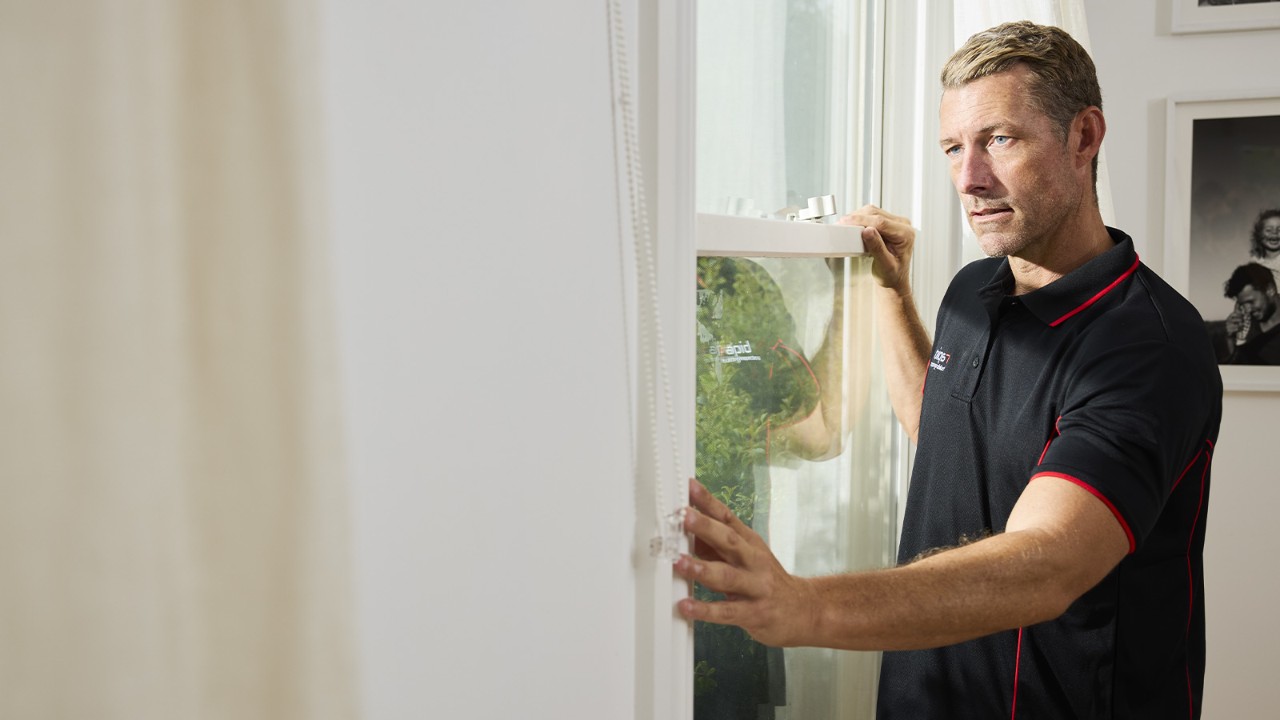
- Uneven surfaces or misaligned doors and windows that may indicate structural movement
Interior & wet areas
The inspection commonly covers:
- Walls, ceilings and floors for cracking, damp staining, uneven surfaces, water ingress and minor defects
- Bathrooms, kitchens and laundries for ventilation, sealant condition and moisture readings
- Hot water system age and condition (visual only), recorded in the inspection report
Roof, roof space & exterior
A building inspection typically includes:
- Ceiling stains that may indicate roof leaks
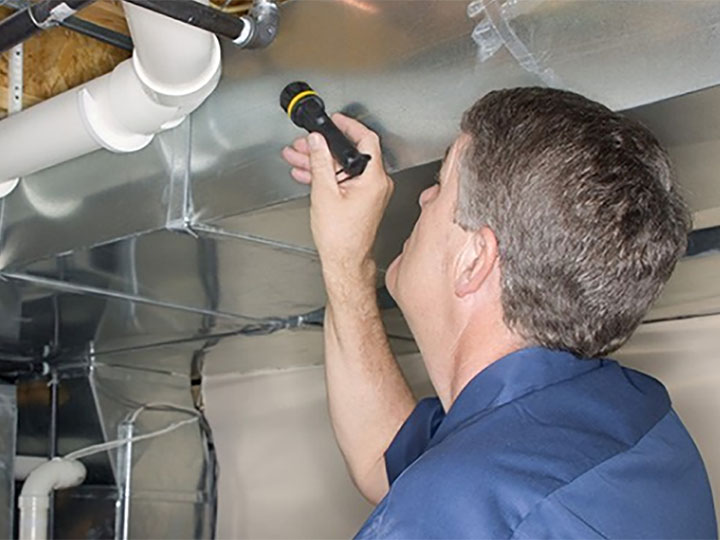
- Roof space (where accessible) checked for framing issues, insulation gaps and signs of pest activity
- Exterior walls, cladding, decks, balconies and retaining walls for rot, corrosion, loose fixings and potential hazards
Site & drainage
Inspectors can assess:
- Site fall and drainage paths
- Gutters, downpipes and discharge points
Poor drainage can significantly impact the property and could cause future problems inside and out.
Why it matters:
These checks highlight significant findings before settlement, helping buyers plan for possible repairs, and be in a position of knowledge about their next property.
Moisture detection
Tools such as thermal imaging cameras and moisture meters help inspectors identify moisture anomalies and heat loss without invasive testing.
When an inspection is supported by these tools, the report can include clear evidence of moisture-related defects, helping buyers reduce the risk of costly issues later.
What is not covered in a building inspection
A building inspection is visual and non‑invasive. It does not include:
- Areas behind walls, ceilings, floor coverings or inside cabinetry.
- Areas which are inaccessible or obstructed at the time of inspection like flooring under rugs or walls behind furniture.
- Pest checks (termites, borers and other pests require a separate or combined inspection).
- Appliance performance testing (ovens, air conditioners, alarms, solar, water pumps).
- Electrical or plumbing compliance certification (licensed trades required).
- Swimming pools, spas, lifts or specialty systems.
- Council approval checks for renovations.
- Checks that decks, patios or renovations are aligned with the building code.
Tip: Many potential buyers choose a combined building and pest inspection. This combined inspection visually covers both building and pest checks and is cost effective compared to carrying out each inspection separately.
Understanding your building inspection report
Report structure and key sections
After the inspection, you receive an inspection report outlining:
- Overall assessment of the property’s condition
- Major defects, minor defects and safety hazards
- Moisture and thermal images (where relevant)
- Access limitations (e.g. locked rooms, stored items which may be covering defects, inaccessible areas such as the subfloor)
- Practical recommendations and next steps
How defects are classified
- Major defects: issues that affect safety, liveability or structural integrity
- Minor defects: wear‑and‑tear and maintenance items
- Safety hazards: items requiring prompt attention
- Further investigation: when a qualified or licensed professional such as a structural engineer, electrician or plumber is recommended to investigate an issue further
This structure helps potential buyers decide whether they can renegotiate, request repairs, or walk away from the property.
When to consider specialist inspections
- Pest inspection: if termite activity or timber decay is suspected. A building and pest inspection is usually conducted by the same inspector at the same time and can save you booking two separate inspections. This also ensures your property inspection report tells a more detailed story.
- Electrical / plumbing inspections: for ageing systems or possible faults
- Structural engineer: if there is major movement or cracking
- Pools and spas: separate safety and compliance inspections apply
How long does a building inspection take?
Average inspection duration by property type:
- Units / townhouses: ~60+ minutes
- Average houses: ~90+ minutes
- Large, commercial or complex properties: 2+ hours
Depending on various factors, such as the property size, age, construction type, accessibility, and the presence of additions or outbuildings; the process can be shorter or considerably longer. For example, a modern two-bedroom apartment will require less time to inspect compared to a sprawling heritage-listed home with multiple levels and extensions. On the other hand, some commercial or multi-residential properties may require a team of inspectors and several hours to document everything thoroughly.
What happens on the day
Your inspector will complete a structured visual assessment of the property. They will check drainage paths, the roof space (if accessible), exterior walls, decks/patios and retaining walls. As the inspector checks over the property, they will document their findings with photos and usually complete the inspection report on site.
Maximising value from your building inspection
- Read your report: Once you receive your report, review it carefully and highlight any major defects, safety hazards, moisture findings, and access limitations.
- Clarify the risks: After reading your report, work out what requires fixing ASAP vs what’s routine maintenance, and check what evidence supports each finding (photos, notes).
- Price the fixes: For key items, get rough quotes from licensed trades so you can budget accurately and negotiate from a position of evidence.
- Use the report: Documented defects support renegotiation or repair requests before finalising the purchase of your property.
Frequently asked questions
What does a building inspection cover vs a pest inspection?
A building inspection focuses on the property’s visible condition and checks for structural defects, moisture defects and safety hazards in all safely accessible areas (such as interior rooms, the roof space and subfloor where accessible, and the exterior). A pest inspection focuses on timber pest risks, including evidence of termites, borers and other timber‑destroying pests, along with conditions that may increase the risk of future activity. For a thorough check before you buy, many buyers choose a combined building and pest inspection so they get both assessments in one visit and one report.
Will you test appliances or the hot water system?
No. The inspection is visual only, so no appliance testing is included. We will visually note the presence and any obvious defects we can see (for example, corrosion, leaks, damage, age indicators or safety concerns), but won’t operate or load-test appliances, air conditioning, ovens, alarms, solar systems, pumps, or hot water units. If you want confirmation that any service or appliance is working correctly, arrange testing and certification with the relevant licensed trades.
Can you check behind walls or confirm approvals?
No. Inspections are non‑invasive and visual only, which means we don’t cut holes, lift floor coverings, move fixed panels, dismantle items, or access areas that aren’t safely accessible on the day. We can identify and report visible indicators of issues (such as cracking, moisture staining or movement), but we can’t confirm what is happening inside wall cavities or concealed areas without invasive investigation by the relevant trade.
Council approvals and building permits are also outside the scope of a standard building inspection and require separate records searches (often arranged through your conveyancer/solicitor or directly with the local council). If approvals are important for renovations, extensions, decks or patios, arrange those searches as part of your pre‑purchase checks.
How much does a building inspection cost?
A typical building inspection can start from as low as a few hundred dollars, with costs varying by property size, location and added inspections.
How can I book with Rapid Building Inspections?
If you want to book a building inspection, a building and pest inspection or need more info, call our friendly team on 1300 407 341. We service Perth, Adelaide, Melbourne, Sydney and Brisbane. So wherever you are, we can help.
Taking time for a proper building inspection is a smart move—it helps you avoid any surprises or hidden costs after you buy a place. If you know how things work and what to expect, you’ll be ready to make confident, well-informed choices about your property investment.
Whether you’re buying, selling, or investing in real estate, don’t overlook just how important a thorough pre purchase building inspection really is. Give yourself plenty of time, pick skilled inspectors, and use your property inspection report to help with negotiations. This way, you can protect your finances down the road.
Related reading