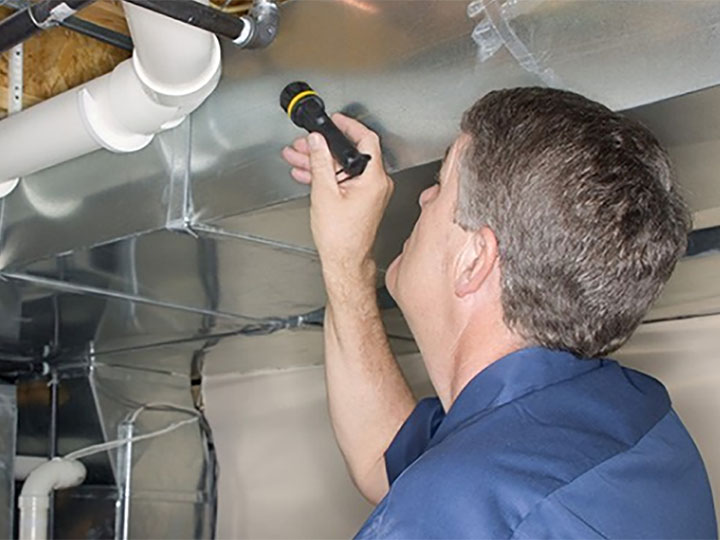
Learn the average building and pest inspection Melbourne cost, what’s included, pricing factors and how to avoid costly property surprises.
Inspections

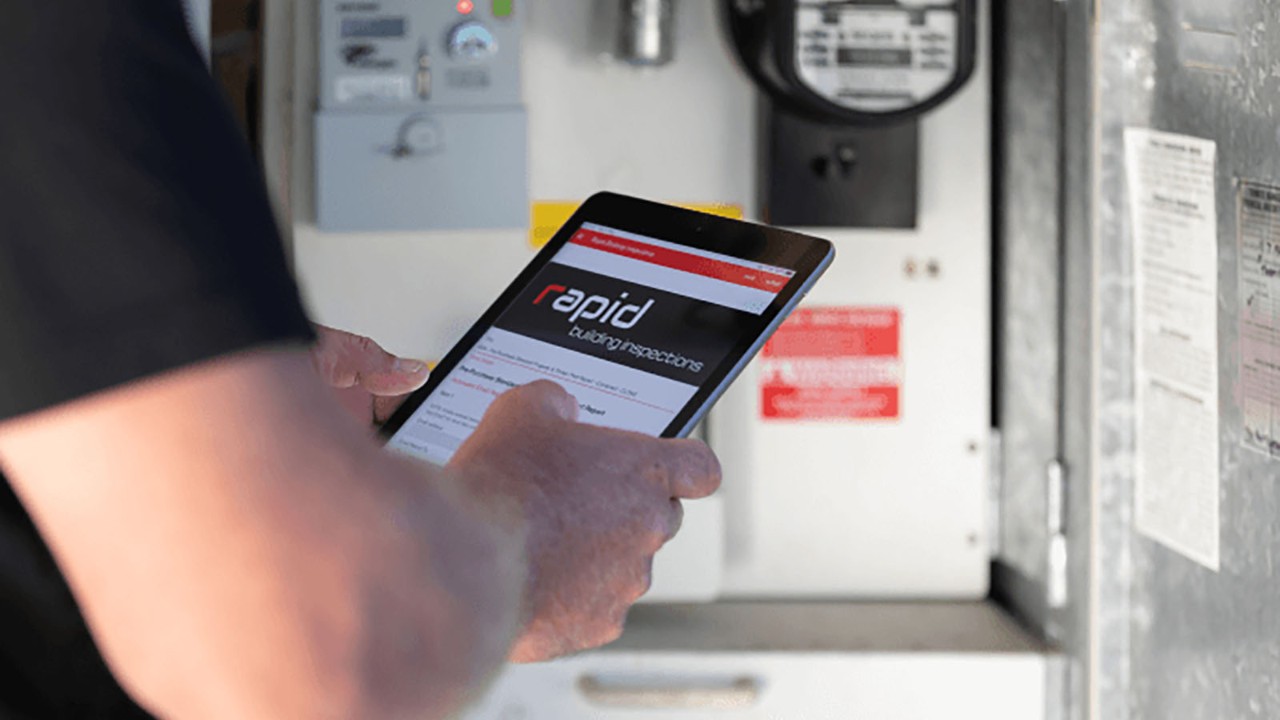

House inspection checklist 2026: A complete guide for Australian buyers
A house inspection is one of the most important steps in the property buying process. Whether you are a first‑home buyer, a property investor or a family upgrading to a new home, understanding what to look for could help you avoid unexpected costs, safety issues and long‑term maintenance problems.
This house inspection checklist is designed to help buyers self-inspect a property with confidence. It covers key areas such as the walls, plumbing, drainage, and structural elements, while explaining common warning signs, what they may indicate and when issues should be raised before settlement.
Who this house inspection checklist is for
First home buyers
For first home buyers, inspections can feel overwhelming. This checklist helps you focus on the areas most likely to cause costly surprises, such as structural cracks, water damage, termites, and plumbing issues. It also explains the difference between minor defects and more serious concerns that may affect your decision to proceed or negotiate your sale.
Property investors
Investors typically inspect a house with long‑term performance in mind. This checklist prioritises structural issues, moisture, drainage, termite infestations, and age‑related wear that could impact rental returns, maintenance costs, or resale value, particularly in older homes and timber properties.
Families upgrading their home
For families, inspections are about safety, health and liveability. This checklist highlights safety issues, mould and damp, secure doors and windows, outdoor areas, and general condition factors that could affect day‑to‑day living after settlement.
Why a house inspection checklist matters before purchase
A house inspection checklist helps buyers identify potential issues before committing to a purchase. It allows you to:
- understand the condition of the property
- identify visible defects and warning signs
- estimate potential repair costs
- decide whether to negotiate with the vendor
- confirm the property is suitable for your needs.
Using a checklist also helps ensure nothing is overlooked when inspecting multiple properties or inspecting under time pressure.
Pre settlement inspection: What to check
A pre settlement inspection allows buyers to confirm that the property is in the same condition as when the contracts were exchanged. During a pre settlement inspection, you should:
- confirm the property is vacant
- check that no damage has occurred since your last inspection of the property
- ensure agreed repairs have been completed
- test basic services such as running water, hot water, light switches and appliances.
Any issues identified at this stage should be noted and raised with your conveyancer immediately.
External house inspection checklist
Roof, gutters and drainage
- Arrange a drone roof inspection (for safety) to check for missing, broken or slipped tiles.
- Use drone imagery to look for sagging roof lines, damaged flashing, and other hard‑to‑see defects.
- Inspect gutters and downpipes for rust or blockages.
- Check drainage around the house for signs of poor drainage or water pooling as poor drainage can lead to water damage, damp conditions, and structural problems over time.
Safety note: For safety, it’s usually best not to climb onto the roof during an inspection. Consider engaging an inspector who is a licensed drone operator to capture roof images and assess the condition from above.
Walls, foundations and fences
- Inspect external walls for cracks, bulging or movement.
- Look for fine cracks versus larger cracks that may indicate structural issues.
- Check fences for stability and visible damage.
- Note any signs of foundation movement or settlement
Cracks or movement may require further investigation by an engineer, particularly in older homes.
Internal house inspection checklist
Walls, ceilings and floors
- Check walls and ceilings for cracks, water stains or peeling paint.
- Look for signs of damp or mould, particularly along skirting boards.
- Inspect flooring for uneven surfaces, loose boards or damaged carpet.
Cracks in walls and ceilings can sometimes indicate structural issues, especially if they are wide or recurring.
Doors, windows and locks
- Open and close doors and windows to ensure smooth operation.
- Check door frames for movement or misalignment.
- Test locks on doors and windows.
- Look for gaps or poor seals that may affect security or natural light.
Sticking doors or windows may be an indication of movement within the property.
Plumbing and wet areas checklist
Bathrooms, kitchen and laundry
- Test taps for water pressure.
- Check sinks, cabinets and pipes for leaks or rust.
- Look for water stains under sinks and around fittings.
- Note slow drainage or signs of poor drainage.
Low water pressure or visible leaks can be a sign of plumbing issues that may require repairs.
Electrical and safety inspection checklist
- Test light switches and power points.
- Look for signs of faulty wiring or damaged fittings.
- Check smoke alarms are installed and appear functional.
- Inspect air conditioners and heating systems if accessible.
Any safety concerns are worth addressing promptly. Keep in mind that electrical checks and smoke alarm testing are typically not included in a standard building inspection, so you may wish to organise a separate inspection.
Professional pest and structural inspection considerations
A professional building and pest inspection is an essential pre-purchase step to visually identify possible termite infestations and timber damage that may not be obvious during a general walkthrough. Signs to watch for include:
- Hollow‑sounding timber.
- Damage to flooring or door frames.
- Evidence of excessive moisture or mould.
- Visual cracks that may indicate structural issues.
Termite infestations could cause significant damage in a relatively short period of time if left undetected.
What to do if you find issues
- Take notes and photographs as evidence (a professional building and pest inspection may assist by documenting issues and providing a professional report).
- Obtain advice on the likely cause and seriousness.
- Consider the cost of repairs or further investigations.
- Raise concerns with your conveyancer within a reasonable time.
Depending on the severity, buyers may choose to negotiate, request repairs, or reconsider the purchase of the property.
Frequently asked questions
What is the difference between a house inspection and a building and pest inspection?
In practice, a buyer’s walkthrough focuses on what you can easily see on the day (for example, obvious cracking, leaks, damp smells, or damage to finishes). A building and pest inspection typically includes a systematic visual check of accessible structural areas (such as the roof space, subfloor and wet areas), plus an assessment for timber pests like termites and conditions that may attract them. It also often includes the use of specialist tools like moisture meters and thermal cameras to spot damage that isn’t visible to the naked eye.
If you are serious about a property, a building and pest report can give you a clearer picture of risk, help you budget for repairs, and support negotiations or contract conditions before you proceed.
Do I need an inspection for a new house?
Even new homes can have defects related to construction, drainage or installation that may not be obvious at first glance, so it’s wise to engage a professional to undertake a building and pest or practical completion inspection on the property and provide you with a written report.
Can I do my own house inspection?
A DIY inspection checklist can help you identify very visible issues, but it may not detect smaller or hidden problems such as moisture, structural movement or pest activity.
A professional inspector is knowledgeable, trained to spot early warning signs, and knows the common problem areas to check, including roof spaces and subfloors (where accessible), wet areas, drainage points, and signs of timber pests. They also use specialist tools and a systematic process to help identify issues that can be missed in a quick walkthrough.
A written report can help you understand the severity of any defects, plan for repairs, and, where appropriate, support negotiations or contract conditions before you proceed.
What issues should raise concern during an inspection?
Structural cracks, water damage, mould, termite activity, safety hazards and major plumbing problems should always be investigated further. Other red flags include persistent damp smells, stained ceilings, uneven or bouncy floors, doors and windows that stick (which may indicate movement), and evidence of poor drainage or water pooling around the home.
If you notice any of these issues, consider engaging a professional building and pest inspector and, where needed, obtaining specialist advice (such as an engineer, electrician or plumber) before you proceed.
Deciding whether you need a building and pest inspection
This house inspection checklist helps Australian buyers know what to look for when self‑inspecting a property at an open house, before the cooling‑off period ends or pre-settlement. While it can help you spot visible warning signs, some issues only show up in a more detailed assessment. A careful inspection helps you make a more informed, confident decision.
Booking a professional building inspection is a smart step, it can help to reduce the risk of surprises and unexpected costs. With expert guidance on what to expect, you’ll be better placed to make clear, well‑informed choices about your property investment.
Whether you’re buying, selling or investing, a thorough pre‑purchase building inspection is worth prioritising. Allow enough time, choose experienced inspectors, and use the inspection report to guide negotiations and any contract conditions, helping you protect your finances in the long run.
To book a building and pest inspection or to find out more, call our friendly team on 1300 407 341. We service Perth, Adelaide, Melbourne, Sydney and Brisbane. So wherever you are, we can help.
Related reading