Learn the average building and pest inspection Melbourne cost, what’s included, pricing factors and how to avoid costly property surprises.
Inspections
How do you test for drug residue in a home?
When buying, selling, or renting a home, most people think of building and pest inspections as the main step in due diligence. However, one risk that is often overlooked is methamphetamine contamination. Even if a property looks clean and well maintained, hidden drug residue can pose serious health risks and impact property value.
This is where drug residue test inspections - backed by guidelines from the National Association for Methamphetamine Contamination (NAMC) - play an essential role in protecting your investment.
What is methamphetamine contamination?
Methamphetamine (commonly known as meth or ice) leaves behind an invisible chemical residue when it is manufactured or used inside a property. These residues can cling to walls, ceilings, floors, carpets, and ventilation systems.
Unlike visible defects highlighted in a building and pest inspection report, drug contamination is not obvious to the naked eye. In fact, many contaminated homes appear spotless. Without professional testing, buyers and tenants may unknowingly expose themselves and their families to harmful chemicals.
What are the health risks of living in a contaminated property?
Exposure to methamphetamine residue can lead to a range of health problems, including:
- headaches, nausea, and fatigue
- respiratory issues and skin irritation
- behavioural problems in children
- long term health effects from ongoing exposure.
That's why more Australians are requesting methamphetamine residue testing alongside their standard building and pest inspection report.
How does a drug residue test inspection work?
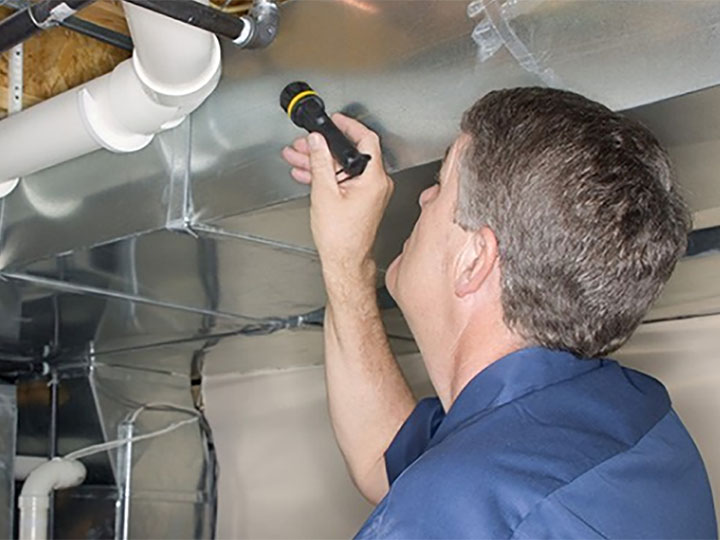
Drug residue testing involves collecting swabs from a minimum of 10 areas of the property. The swabs are taken from high air flow and/or high dust deposit areas and can include:
- tops of fans
- tops of windows and door architraves
- accessible air conditioning filters
- accessible areas of bathroom extraction fans
- window/door architraves on the side that opens
- ceiling next to extraction fans
- any other area that may represent a high dust or high air flow area.
These samples are analysed using a ‘Methamphetamine Instant Testing Kit’ to detect the presence of methamphetamine residue and is classified as a screening under section 6.5 of the Australian Voluntary Code of Practice (Assessment, remediation and validation; former clandestine drug laboratories and other methamphetamine contaminated properties, November 2019). If the presence of methamphetamine is greater than 0.5µg/100cm2 in the sampled property areas, the test should show a positive result. If contamination is found, then further investigation is required by a licensed hygienist who will recommend next steps.
Why should property buyers and investors test?
For buyers and investors, the financial implications of purchasing a contaminated property are significant. Clean-up costs can run into the tens of thousands of dollars, and in some cases, properties may be deemed uninhabitable until remediation works are complete.
By booking a drug residue inspection before settlement of your property, you protect yourself from unexpected costs, possible legal disputes, and the risk of moving into a hazardous home.
Peace of mind for landlords and tenants
It's not just buyers who benefit from drug residue testing. Landlords can use this inspection to protect their investment, ensuring rental properties are safe and compliant before new tenants move in. For tenants, a clean report provides reassurance that the property is free from hidden contamination and possible health risks.
Drug residue isn't something you can see, but it's a growing concern in the Australian property market. A drug residue test provides peace of mind, protects property value, and safeguards the health of everyone who enters the home.
Related reading