Learn the average building and pest inspection Melbourne cost, what’s included, pricing factors and how to avoid costly property surprises.
Inspections

How long does a building and pest inspection take? Your essential guide
Everything you need to know before booking your inspection
Buying a property is a significant milestone—often one of the biggest investments most people will make in their lifetime. Whether you’re a seasoned investor or a first-time homebuyer, protecting your financial interests is paramount.
Conducting thorough due diligence – including a building and pest inspection – is an essential step to ensure you’re making a sound investment and to identify any potential issues before you commit to a purchase. One of the most important questions prospective buyers (and sometimes sellers) ask is: “How long does a building and pest inspection take?” This guide explores the typical duration of an inspection, what influences it, what to expect during the process, and how you can best prepare for a smooth, stress-free experience.
Jump to
- What is a building and pest inspection?
- When should I get a building and pest inspection?
- How long does a building and pest inspection take?
- How much does a building and pest inspection cost?
- What gets checked in a building and pest inspection?
- What affects the inspection duration?
- What happens after a building and pest inspection?
- How do I speed up my building and pest inspection?
- What if the building inspector finds issues?
- Frequently asked questions about building and pest inspections
- How can I book with Rapid Building Inspections?
What is a building and pest inspection?
A building and pest inspection is a visual evaluation carried out by an expert inspector. The process involves visually checking the condition of a property as well as looking for any signs of pest infestation - most notably termites, which are a serious threat to buildings in many parts of Australia. These inspections are not just a formality; they can reveal hidden issues, possibly saving you thousands in repairs, and also provide valuable information during negotiations.
When should I get a building and pest inspection?
Ideally, you should arrange a building and pest inspection before settling your property - typically during the cooling-off period or as a condition of your contract. This ensures you have all the necessary information about the property’s condition before you commit, allowing you to negotiate repairs or reconsider your offer if major or long-term issues are uncovered.
An inspection also helps you safeguard your family’s wellbeing by identifying any hidden risks or pest infestations that could impact health and safety, offering peace of mind that your new home is a secure and healthy environment for everyone.
How long does a building and pest inspection take?
For a typical residential property, such as a house or apartment, a combined building and pest inspection usually takes between 60 and 90 minutes to complete. However, this timeframe is only a general estimate.
Depending on various factors—such as the property size, age, construction type, accessibility, and the presence of additions or outbuildings—the process can be shorter or considerably longer. For example, a modern two-bedroom apartment will require less time to inspect compared to a sprawling heritage-listed home with multiple levels and extensions. On the other hand, some commercial or multi-residential properties may require a team of inspectors and several hours to document everything thoroughly.
How much does a building and pest inspection cost?
The cost of a building and pest inspection typically depends on the property type, size, condition and location. Larger or more complex properties may attract additional fees as the inspector will require extra time to complete the building inspection.
In general, a property inspection for standard residential dwellings, such as apartments or houses, is priced according to the scale and intricacy of the assessment required. Pricing reflects not only the size of the property but also factors like age, accessibility, and the potential need for more thorough building inspection techniques if any issues are suspected.
It’s important to note that investing in a comprehensive property inspection can help identify structural concerns or pest activity early, potentially saving buyers significant costs and stress down the track.
Average costs for building inspections on common property types across the market, as at January 2026:
| Property type | |
|---|---|
|
Apartment/unit |
$350 - $450 |
|
3 bedroom house |
$450 - $570 |
|
4 bedroom house |
$570 - $620 |
|
Larger and more complex properties |
From $620 |
What gets checked in a building and pest inspection?
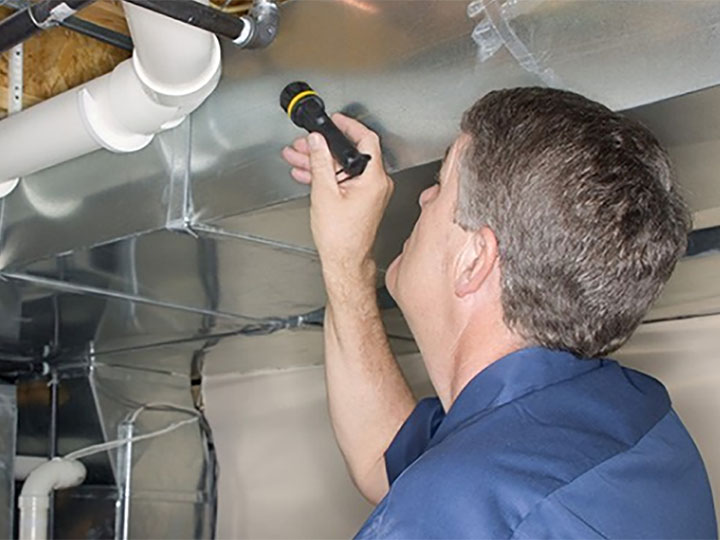
During the inspection, your building and pest professional will methodically check all accessible areas of the property. This means only spaces that are unobstructed and safe to enter will be inspected, ensuring a thorough assessment without risking damage or safety. Here’s a breakdown of common steps and what they involve:
- Exterior assessment: visual inspection of walls, foundations, drainage, retaining walls, driveways, external cladding, decks, patios, verandas, and fencing.
- Interior inspection: visually checking ceilings, floors, walls, windows, doors, bathrooms, kitchens, and laundry areas for signs of structural weakness, moisture, or damage.
- Roof cavity/void: visually investigating insulation, ventilation, framing, and looking for signs of leaks or pests.
- Subfloor inspection: if the property has one, and it is accessible (usually via the crawl space), the inspector will visually check for ventilation, drainage, evidence of timber damage, excessive moisture, and pest activity in the subfloor.
- Pest assessment: looking for visible evidence of active termites, borer activity, wood rot, or possible signs of these.
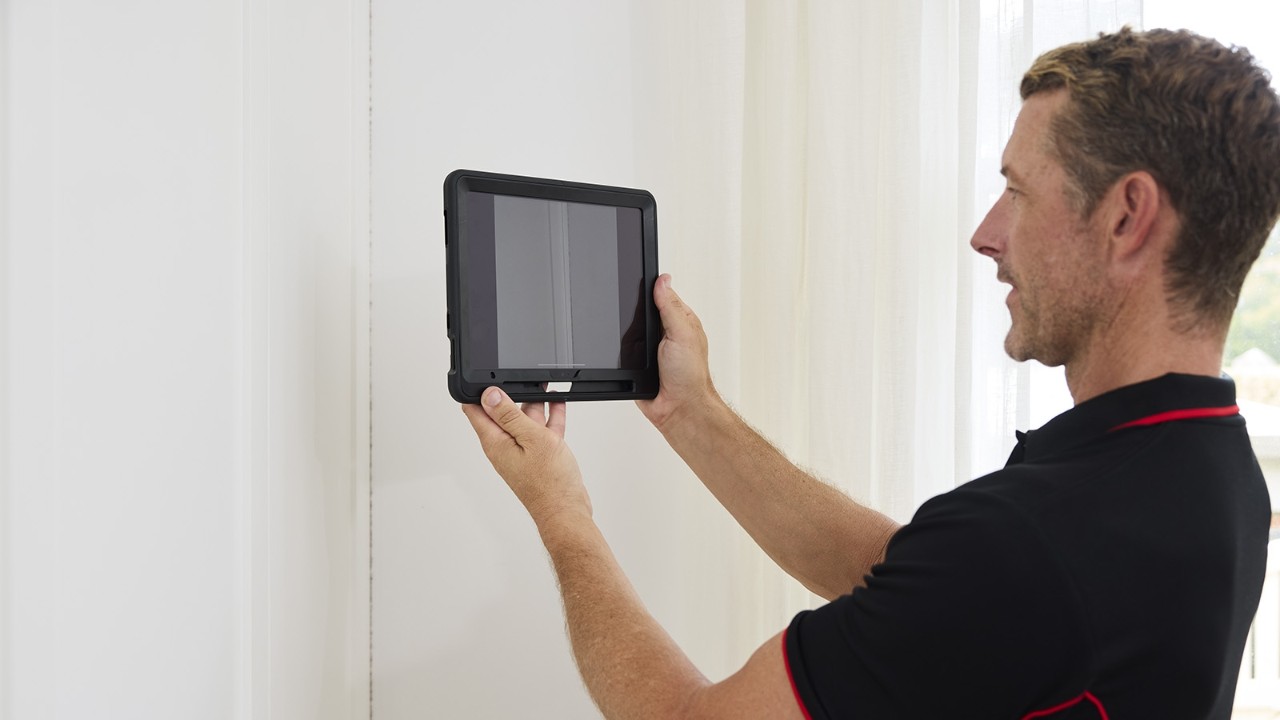
- Testing tools: while many issues can be detected with the naked eye, inspectors also use specialised tools such as moisture meters and thermal imaging cameras to uncover hidden problems that aren’t immediately visible
Every aspect of this process requires time, attention to detail, and professional judgment. Inspectors document their findings in the report software with notes and photographs.
What affects the inspection duration?
Several variables can influence how long your inspection will take. Being aware of these can help you set realistic expectations and plan your schedule accordingly:
- Property size: the larger the property—think sprawling family homes, duplexes, or properties with extensive outbuildings—the longer the inspection will take. A small apartment might require just 45 minutes, while a two-story house with a granny flat and shed could take upwards of 75 minutes.
- Age and condition: older properties, properties with renovations or extensions, or those known to have existing issues often require a more meticulous approach. Inspectors may need to investigate and report on previous repair work or look for telltale signs of wear and tear.
- Accessibility: if certain spaces are locked, blocked, or otherwise difficult to access—like roof voids, crawl spaces, or garages—the inspector may spend additional time attempting entry. Occasionally, some areas remain inaccessible or obstructed, and this will be noted in the report.
- Weather conditions: wet or stormy weather can delay external inspections, particularly of outdoor structures. Inspectors may need to wait for safe access or reschedule parts of the inspection if necessary.
- Type of construction: properties with complex structures, split levels, or non-standard building materials may require additional examination and time to inspect.
- Presence of outbuildings: sheds, garages, and other outbuildings (within 30m of the main property) will extend the inspection duration, as each structure needs to be individually assessed for the inspection report.
- Vendor or occupant cooperation: if the seller or occupants have prepared the property for inspection (by unlocking all doors, removing obstructions, and ensuring pets are secured), the process can proceed smoothly. Otherwise, time may be lost resolving access issues.
What happens after a building and pest inspection?
Once the physical inspection is completed, the inspector collates their notes, reviews photographs, and compiles a comprehensive written report. This document details any defects, safety hazards, evidence of pests, and recommendations for further investigation or repairs.
As long as you’ve paid in full, you’ll receive your building and pest inspection report 24 hours after your inspection happens (business hours, Monday to Friday).
This report is a crucial tool for buyers. It enables you to:
- Negotiate: use findings as possible leverage to request repairs, price reductions, or special conditions in the sale contract.
- Plan future maintenance: identify issues that may require attention down the line, even if they’re not deal-breakers.
- Decide with confidence: make an informed decision on whether to proceed, renegotiate, or withdraw from the purchase.
How do I speed up my building and pest inspection?
While some factors are out of your control, there are several steps you can take to ensure your inspection runs as efficiently as possible:
- Notify the selling agent and/or vendor of your inspection date in advance, so the property is as accessible as possible.
- Request that all doors, windows, and gates are unlocked, and that access is available to roof spaces, subfloors, sheds, and garages.
- Request that clutter is cleared away, especially in areas where boxes are against walls or items are stacked in garages, to allow inspectors full visibility and access.
- Request that pets are secured during the inspection to avoid distractions and ensure safety.
- If you have concerns about particular areas (e.g., water damage in the bathroom), flag these with your inspector before the inspection starts.
What if the building inspector finds issues?
It’s not uncommon for building and pest inspections to uncover minor or even major issues—few properties are flawless. If your report flags concerns, don’t panic. Instead:
- Discuss the significance of any findings with your inspector—they can advise which issues are urgent, and which are cosmetic or easily fixed.
- Obtain quotes for major repairs from qualified trades, if needed, and use these in negotiations.
- Factor the cost and urgency of repairs into your purchasing decision or timeline.
Frequently asked questions about building and pest inspections
Do I need to be there for the inspection?
We’ll organise access to the property direct with the real estate agent, so you don’t need to be there. If you would like to, you’re welcome to come along to meet your building and pest inspector and discuss any questions on completion of the inspection. If you choose not to attend, you can always contact your inspector after the inspection to discuss any findings or clarify details in your report.
We prefer to discuss questions at the end of the inspection as it allows the inspector to complete the inspection first, ensuring a thorough, bias-free report.
Can an inspection take less than an hour?
A property inspection or building inspection can sometimes take less than an hour for very small apartments or single-room units. However, the inspection process should never be rushed - thoroughness is essential to accurately assess the property’s condition. The time required depends on the size and complexity of the property, and a building inspector needs enough time to check all key areas and ensure nothing important is missed
What if parts of the house are inaccessible or obstructed?
Inspectors will note any inaccessible or obstructed areas in their report. If parts of the place can’t be inspected, that’s a bit of a worry—there could be problems hiding where you can’t see. Ensure the owner or resident allows the inspector full access to the property.
Is the pest inspection separate from the building inspection?
In most cases, a combined building and pest inspection is offered for convenience and is usually more cost effective. This approach allows the inspector to uncover evidence of both structural issues and pest problems - such as termite damage - during a single visit. However, you can request separate inspections from one or multiple firms if you prefer.
When will I receive my inspection report?
You will receive your building and pest inspection report within 24 hours of the inspection (business hours, Monday to Friday), as long as you’ve paid in full. This includes a comprehensive report that has been prepared by your expert inspector and verified by another member of our team.
What should I do if I don’t understand parts of my building inspection report?
If you’re unsure about your property’s condition after receiving a detailed report, don’t worry—this is quite common. Typically, your inspector is happy to explain the findings, clarify technical terms, and discuss which repairs or fixing problems require urgent attention or a qualified professional to investigate. Reviewing the summary and photos can help, but always ask questions if you’re unsure. Understanding your report helps you avoid nasty surprises and make informed decisions about repairs or negotiations.
How can I book with Rapid Building Inspections?
Taking time for a proper building inspection is a smart move—it helps you avoid any surprises or hidden costs after you buy a place. If you know how things work and what to expect, you’ll be ready to make confident, well-informed choices about your property investment.
Whether you’re buying, selling, or investing in real estate, don’t overlook just how important a thorough inspection really is. Give yourself plenty of time, pick skilled inspectors, and use your report to help with negotiations. This way, you can protect your finances down the road.
If you want to book a building and pest inspection or need more info, contact our friendly team by calling 1300 407 341. Our inspectors cover Perth, Adelaide, Melbourne, Sydney, and Brisbane, so wherever you need us, we’ve got you covered.
Related reading